Get Plumbing Relocation
Plumbing relocation services help property owners move or redesign existing pipes and fixtures for renovations, expansions, or remodeling projects, handled by experienced local contractors.
Planning a plumbing relocation can be an important step for property owners considering renovations, expansions, or infrastructure updates. Whether updating outdated systems, optimizing space, or preparing a property for new uses, relocating plumbing requires careful planning and coordination with experienced service providers. Property owners in the area may explore this work to improve functionality, meet new building codes, or accommodate changes in property layout, making it a practical aspect of property management and improvement projects.
For those considering plumbing relocation, it’s helpful to compare local contractors who specialize in this type of work. Many service providers offer the expertise needed to execute these projects efficiently and effectively, ensuring that the work aligns with the specific needs of each property. Exploring local options allows property owners to find experienced professionals capable of handling the complexities involved, encouraging informed decision-making as they plan their projects.
- Residential Plumbing Relocation - When homeowners need to move plumbing fixtures during renovations or additions, local contractors can assist.
- Commercial Plumbing Relocation - Businesses undergoing space reconfigurations or upgrades may require professional plumbing shifts.
- Bathroom or Kitchen Remodels - During remodeling projects, plumbing systems often need to be rerouted to new locations.
- New Construction Plumbing - Builders may require plumbing installation in different areas of a new building, handled by experienced service providers.
- Emergency Plumbing Relocation - Urgent situations, such as property damage or safety concerns, may necessitate immediate plumbing adjustments by local experts.
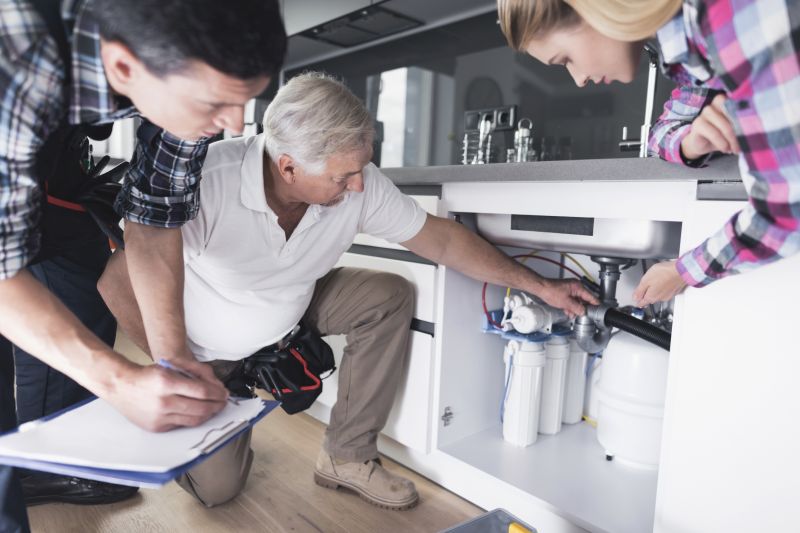
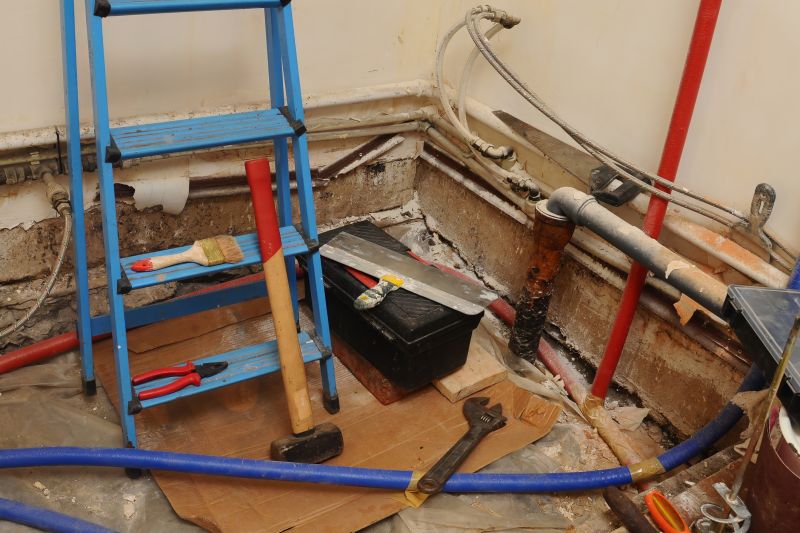
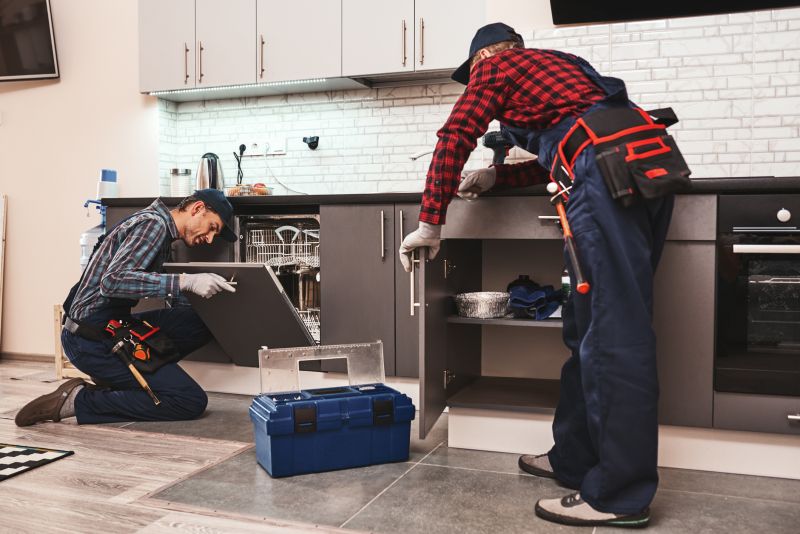
Plumbing relocation services involve the professional transfer of existing plumbing systems from one area of a property to another. This process typically includes disconnecting, rerouting, and installing pipes, fixtures, and other plumbing components to accommodate renovations, expansions, or changes in layout. Skilled service providers ensure that the new plumbing setup functions properly, preventing leaks and water damage while meeting the specific needs of the property. Plumbing relocation is often necessary when homeowners undertake major remodels or add new rooms, such as kitchens or bathrooms, that require repositioning existing plumbing lines.
This service helps resolve common problems associated with outdated or improperly placed plumbing systems. Over time, pipes can become corroded, or their placement may no longer suit the current layout of a property. Relocating plumbing can eliminate issues like frequent leaks, low water pressure, or drainage problems. Additionally, when a property’s interior design or function changes-such as converting a basement or garage into living space-relocating plumbing ensures that water supply and waste removal are properly integrated into the new configuration. This process helps prevent future plumbing failures and maintains the overall efficiency of the system.
Properties that typically require plumbing relocation include older homes undergoing renovations, commercial buildings expanding their facilities, or residential properties that are reconfiguring interior spaces. Homeowners planning to add or move bathrooms, kitchens, or laundry areas often need to have existing plumbing rerouted to new locations. Similarly, properties with structural modifications or additions, such as finishing a basement or building an extension, may need plumbing systems adjusted accordingly. Local contractors experienced in plumbing relocation can assess the specific needs of each property and develop a plan to ensure the plumbing system supports the new layout effectively.
Choosing professional plumbing relocation services can help property owners avoid costly repairs and structural issues down the line. Experienced service providers understand how to work within different types of properties, from single-family homes to multi-unit buildings. They can handle complex rerouting tasks, ensuring minimal disruption to the property’s existing systems during the process. Whether upgrading a home’s layout or adapting a commercial space for new use, connecting with local contractors who specialize in plumbing relocation offers a practical solution for maintaining functional, efficient plumbing systems tailored to the property’s evolving needs.
The overview below groups typical Plumbing Relocation projects into broad ranges so you can see how smaller, mid-sized, and larger jobs often compare in your area.
In many markets, a large share of routine jobs stays in the lower and middle ranges, while only a smaller percentage of projects moves into the highest bands when the work is more complex or site conditions are harder than average.
Smaller Repairs - typical costs for minor plumbing relocations usually fall between $250 and $600. Many routine jobs, such as moving a small fixture or rerouting a short pipe, land in this range. Larger or more complex projects can exceed this amount but are less common.
Moderate Projects - for medium-scale relocations involving several fixtures or partial system adjustments, local contractors often charge between $1,000 and $3,000. These projects are common when upgrading or repositioning multiple components within a space.
Full System Replacements - complete plumbing relocations for entire systems can range from $4,000 to $8,000 or more. Larger, more complex jobs, such as moving plumbing in a full renovation, tend to push into this higher tier but are less frequent.
Complex or Custom Jobs - highly intricate or custom plumbing relocations, including extensive rerouting or working in hard-to-access areas, can cost $10,000 or more. These projects are relatively rare and typically involve high labor and material costs.
Actual totals will depend on details like access to the work area, the scope of the project, and the materials selected, so use these as general starting points rather than exact figures.
Bathroom Remodels - Plumbing relocation is often needed during bathroom renovations to update or reroute water and drainage lines efficiently.
Commercial Building Renovations - These projects require careful planning and repositioning of plumbing systems to meet new layout and code requirements.
Kitchen Installations - Relocating plumbing lines is essential when redesigning kitchen layouts to accommodate new appliances and fixtures.
Foundation Repairs - Plumbing systems may need to be moved or adjusted during foundation work to ensure proper drainage and water access.
Basement Finishing - Plumbing rerouting is often necessary when converting basements into functional living spaces with bathrooms or laundry areas.
Commercial Plumbing Upgrades - Upgrading or expanding plumbing infrastructure involves relocating pipes to support new fixtures and systems.
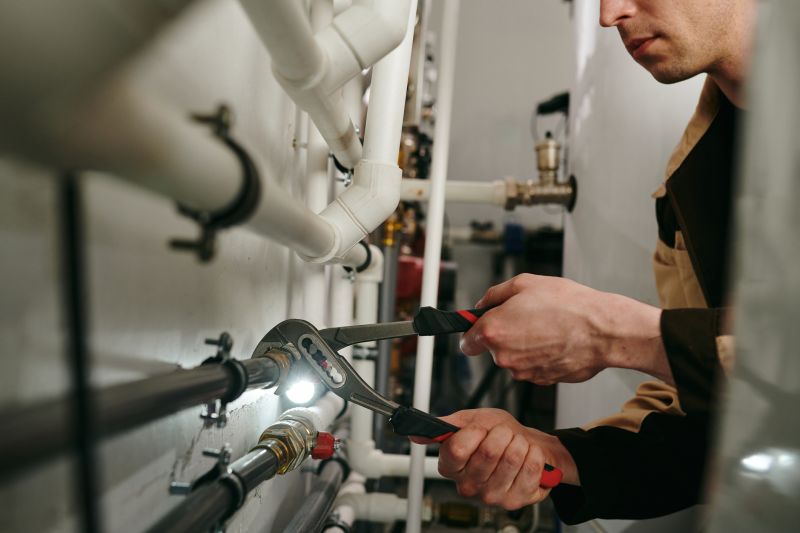
When comparing service providers for plumbing relocation projects, it’s important to consider their experience with similar types of work. Homeowners should look for local contractors who have a proven track record handling projects comparable in scope and complexity. An experienced professional is more likely to anticipate potential challenges, adhere to best practices, and deliver results that meet expectations. Gathering information about their past work on similar projects can provide insight into their expertise and reliability, helping to ensure the chosen contractor is well-equipped to handle the specific requirements of the job.
Clear, written expectations are essential when evaluating plumbing relocation services. Homeowners should seek providers who offer detailed estimates and scope of work documents that outline what will be done, what materials will be used, and the projected outcomes. Having these expectations documented helps prevent misunderstandings and provides a basis for accountability. It’s also beneficial to ask for reputable references from previous clients, as this feedback can reveal the contractor’s professionalism, quality of work, and ability to communicate effectively throughout the project.
Effective communication is a key factor in selecting a dependable local service provider. Homeowners should prioritize contractors who are transparent, responsive, and willing to answer questions thoroughly. Good communication ensures that project details are clearly conveyed and that any concerns are addressed promptly. While the site introduces homeowners to local options, it’s important to remember that the actual work is performed by the service providers themselves. Taking the time to compare these aspects-experience, clear expectations, references, and communication-can help homeowners find a qualified professional capable of completing their plumbing relocation successfully.
Property owners use Plumbing Relocation services for practical projects around their homes and businesses. This guide focuses on everyday jobs and straightforward project options.
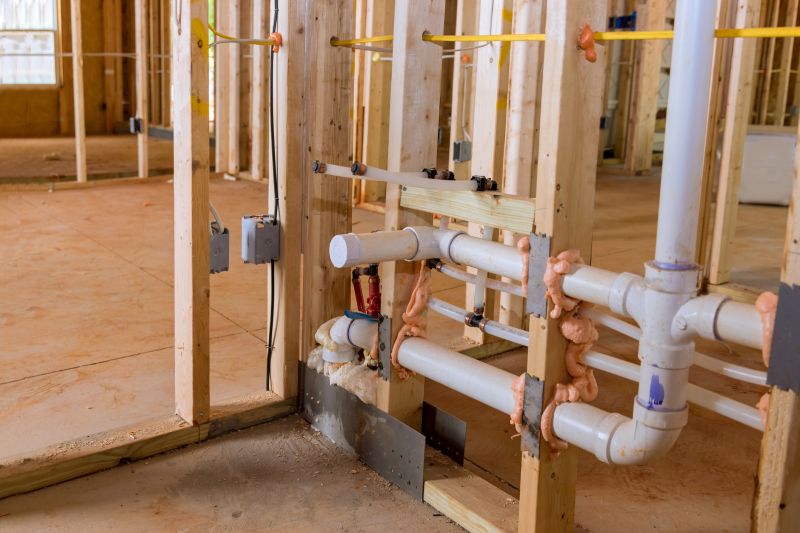
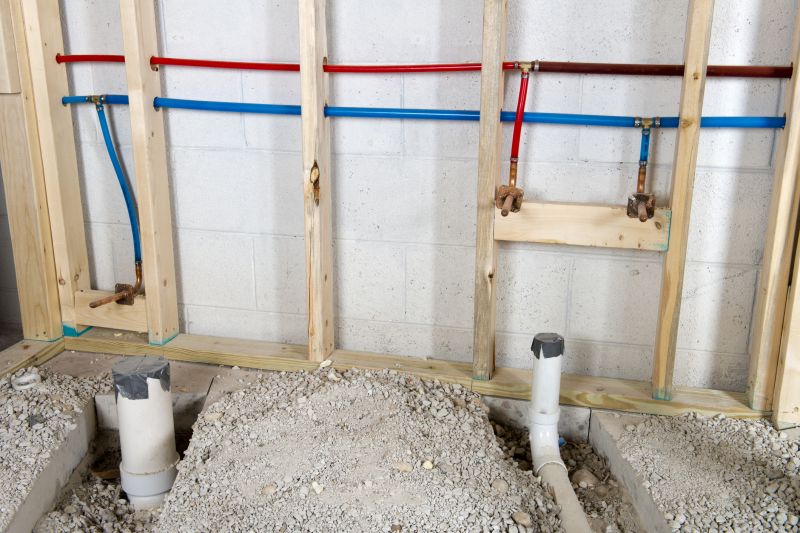
Plumbing relocation services are often needed when property owners are renovating, expanding, or reconfiguring their spaces. Whether it's moving a bathroom to a different part of the home, updating outdated plumbing lines, or adjusting pipes to accommodate new fixtures, local contractors can handle these common project situations. These services help ensure that plumbing systems are properly rerouted and functional, supporting changes in layout or design without compromising performance.
Property owners might also seek plumbing relocation when facing issues such as leaks, pipe damage, or the need to improve water flow. In some cases, relocating plumbing is part of larger remodeling plans or necessary to meet new building codes. Local service providers are equipped to manage these tasks efficiently, providing solutions that support ongoing property improvements and maintenance efforts.
What does plumbing relocation involve? Plumbing relocation involves moving existing plumbing systems to new locations within a property, which may include rerouting pipes, fixtures, and connections to accommodate renovations or layout changes.
Why might someone need plumbing relocation services? Plumbing relocation may be needed during renovations, additions, or remodeling projects to ensure plumbing is properly positioned for new layouts or to resolve existing issues.
How do local contractors handle plumbing relocation projects? Local service providers assess the current plumbing setup, plan the new pipe routes, and perform the necessary rerouting and connections to ensure proper function and compliance with building standards.
What should be considered before starting a plumbing relocation? Factors such as the building's layout, existing plumbing infrastructure, accessibility, and the desired new locations for fixtures are important considerations before beginning a relocation.
Can plumbing relocation be combined with other home upgrades? Yes, plumbing relocation can often be coordinated with other renovations like kitchen or bathroom remodels to optimize space and improve overall functionality.
Bathroom Remodel Plumbing Relocation - When updating a bathroom layout, local contractors can move existing plumbing to new locations for improved functionality and style.
Kitchen Renovation Plumbing Shift - During a kitchen upgrade, service providers can reroute water lines to accommodate new appliances or countertops.
Adding a New Laundry Area - Installing a laundry space in a different part of the home often requires relocating plumbing lines with help from local pros.
Basement Finishing Projects - Finishing a basement may involve moving plumbing for new bathrooms or utility areas, handled by experienced service providers.
If you are thinking about Plumbing Relocation for a property, this guide is meant to help you understand the work, the typical project types, and how different options might fit your plans.
When you are ready, you can use the quote form on this page to share a few details about your project. From there, local pros can review the basics and respond with options that match what you have in mind.